
Right, so you want properly crispy chips ? The kind that crunch when you bite into them, not the sad, soggy things that go limp after two minutes ? Honestly, the oil you use makes a massive difference. I’ve tested this more times than I care to admit, and yeah, some oils just perform better than others. It’s not just about flavour-though that matters too-it’s about smoke point, how the oil behaves at high temperatures, and whether it actually helps create that golden, crunchy exterior we’re all after.
Before we dive deeper, if you’re looking for more cooking tips and proper food advice, https://www.le-bon-plat.fr has some brilliant resources worth checking out. But let’s get back to the oil situation, because frankly, this is where most people get it wrong without even realising.
The Best Oils for Proper Crispy Chips
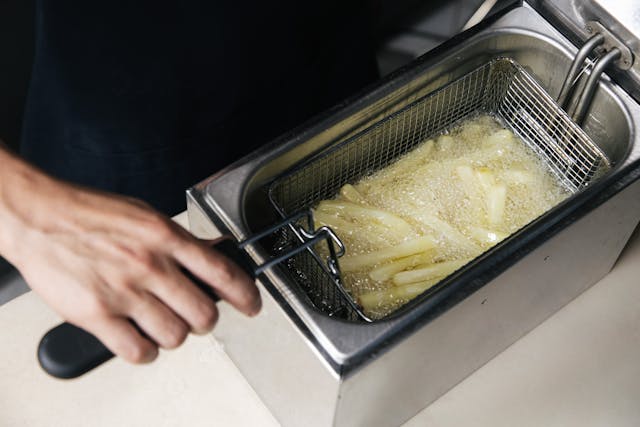 Look, I’m just gonna be straight with you : groundnut oil (that’s peanut oil if you’re wondering) is absolutely brilliant for chips. It’s got a high smoke point-around 230°C-which means it can handle the heat you need for proper frying without breaking down. Plus, it’s got this clean, neutral taste that doesn’t interfere with your potatoes. I’ve used it for years and honestly can’t fault it.
Then there’s sunflower oil, which is probably what your local chippy uses. Smoke point sits around 225°C, it’s affordable, and it works. Simple as that. Doesn’t add any weird flavours, gets the job done. Maybe not as fancy as groundnut oil, but if you’re doing a big batch of chips on a Friday night, this is your friend.
Vegetable oil is another solid choice-usually a blend of different oils, smoke point around 220°C. It’s neutral, it’s everywhere, and it won’t let you down. Not the most exciting option, I’ll admit, but reliability counts for something.
Now, here’s where it gets interesting. Beef dripping. Yeah, I know, bit old-school, but Christ, the flavour. If you can get your hands on proper beef dripping, your chips will taste incredible. Smoke point’s a bit lower-around 200°C-so you need to watch your temperature, but the taste ? Absolutely worth it. That’s what the old chip shops used before vegetable oils took over.
Oils You Should Probably Avoid
Olive oil. I love olive oil, genuinely do, but not for chips. The smoke point’s too low-extra virgin sits around 160-190°C-and it’ll start smoking and tasting bitter before your chips are even properly cooked. Plus it’s expensive. Save it for your salads, yeah ?
Coconut oil’s another one people ask about. Smoke point’s decent enough, but it adds this sweetish flavour that just doesn’t belong on chips. Maybe I’m being harsh, but I’ve tried it and wasn’t convinced.
Butter? Don’t even think about it. Smoke point’s way too low, it’ll burn before you get anywhere near the temperature you need. Just no.
What Actually Happens When You Fry Chips
Okay, quick science bit-bear with me. When you drop your chips into hot oil (we’re talking 160-180°C here), the water inside the potato turns to steam and escapes. That’s what creates those little bubbles you see. The oil fills in the gaps where the water used to be, and if the temperature’s right, you get that crispy, golden crust on the outside while the inside stays fluffy.
But here’s the thing : if your oil can’t maintain that high temperature-either because there’s too much food in the pan or because the oil itself has a low smoke point-your chips will absorb more oil instead of crisping up. They’ll be greasy and soft. Nobody wants that.
Temperature Matters More Than You Think
This is where people mess up, honestly. You need to fry chips twice. First time at around 130-140°C to cook them through, then you let them cool, then you fry them again at 180-190°C to get them properly crispy and golden. Miss that second fry and you’ll never get that proper crunch.
And please, for the love of God, use a thermometer. Guessing doesn’t work. I’ve seen people chuck chips into oil that’s nowhere near hot enough, then wonder why they’re soggy. Get a decent kitchen thermometer-doesn’t have to be fancy-and actually check the temperature.
My Personal Take After Years of Trial and Error
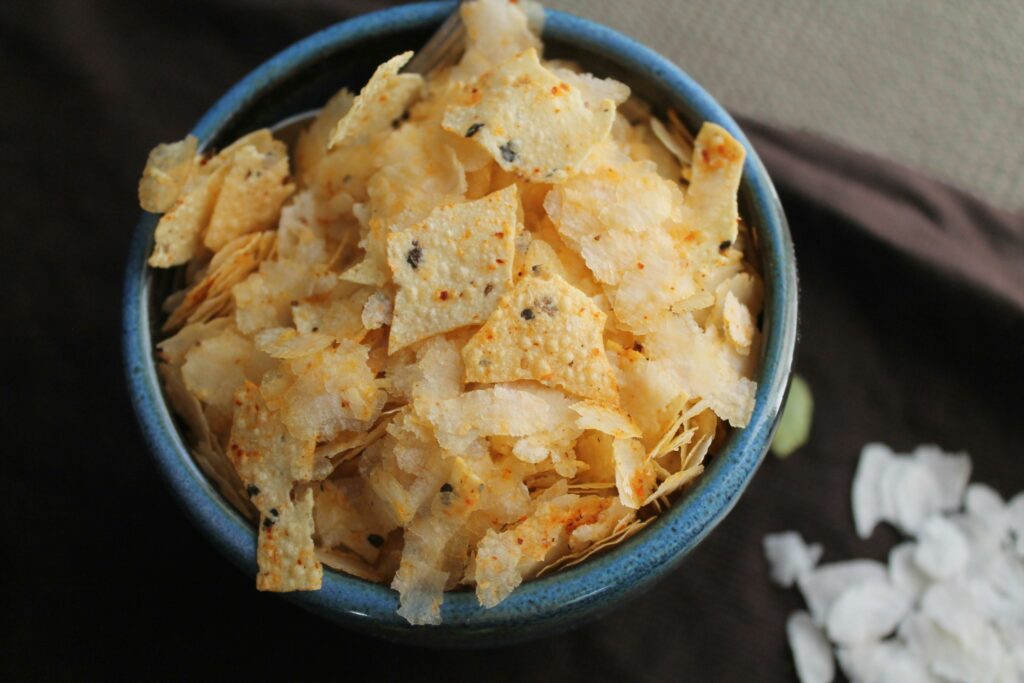 If I’m making chips at home for myself ? Groundnut oil every time. It’s reliable, it tastes clean, and I know it’ll give me the results I want. For a crowd, I’ll use sunflower oil because it’s cheaper and I need more of it.
Special occasion ? Beef dripping, no question. The flavour’s unbeatable. Yeah, it’s a bit more faff because you need to watch the temperature more carefully, but when you get it right, those chips are something else entirely.
Bottom line : choose an oil with a high smoke point, get your temperature right, and fry twice. Do that and your chips will be crispy, golden, and actually worth eating. Skip any of those steps and you’re just making yourself sad, oily potatoes.
Related Posts
Looking for the Best Brandade de Morue in Nîmes? Here Are 5 Spots You Can’t Miss
So you're in Nîmes and craving some proper brandade de…